


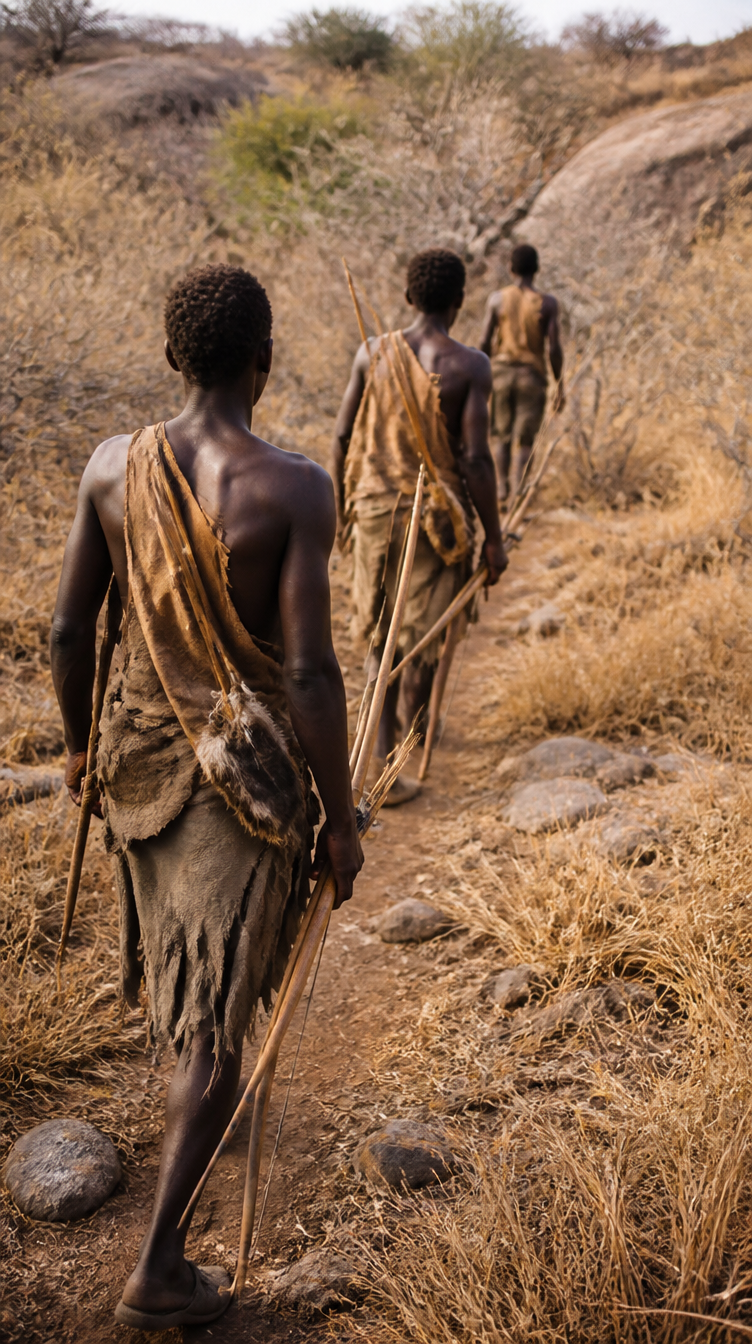
Before dawn near Lake Eyasi, in the dry Rift Valley of northern Tanzania, a Hadza man slips out of camp with a bow and a handful of iron-tipped arrows. He reads the ground the way most of us read a phone: a scuffed root here, the drilling of a bird that follows honey there. By the time the sun clears the acacias, he may have dug tubers from hard earth, chased down a bush pig, and climbed a baobab toward a hive humming with wild bees. What he eats today, he found today. And inside him, unseen, lives one of the richest communities of bacteria ever measured in a human being.
Why scientists went looking for a gut
In the 2010s, microbiome researchers were stuck with a blind spot. Nearly everything known about human gut bacteria came from people eating industrial diets: supermarket bread, seed oils, sugar, antibiotics threaded through the food chain. To understand what a human gut looks like without any of that, they needed people still eating the way our ancestors ate for most of human history. There were very few left. So teams from Stanford and other institutions traveled to one of the last hunter-gatherer peoples on Earth: the Hadza.
What the land gives, and when
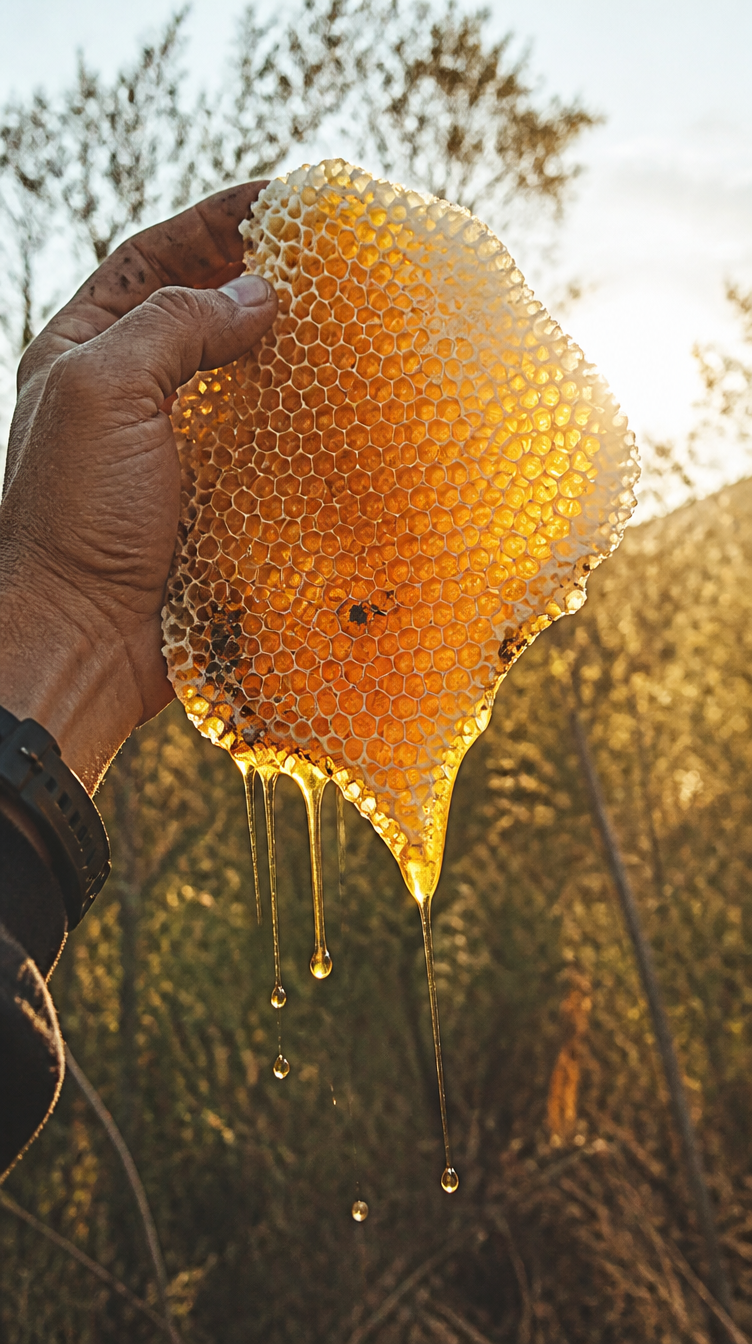
The Hadza eat what the land provides, as it provides it. Wild honey raided from baobab hives. Berries when the bushes carry them. Baobab fruit pounded into a tangy porridge. Fibrous tubers dug from the ground and roasted in the coals. Game meat, with the organs eaten first, often right at the kill. Nothing is packaged, nothing farmed, nothing processed. And the menu is never the same twice: the wet season brings honey and berries, the dry season swings hard toward tubers and meat. Their plates change with the calendar, and so, remarkably, does the ecosystem inside them.
The most diverse gut anyone had sequenced
When the researchers (among them Justin and Erica Sonnenburg at Stanford, working with field scientist Jeff Leach) sequenced what lived in Hadza stool, the numbers were startling. Studies reported that the Hadza gut carried roughly 40 percent more microbial species diversity than the average American's, including bacterial lineages that science had never catalogued at all. In this field, diversity is the headline. Traditional-living populations sit at the top of the charts; heavily industrialized ones sit at the bottom, their inner ecosystems thinned out like a forest logged for lumber.
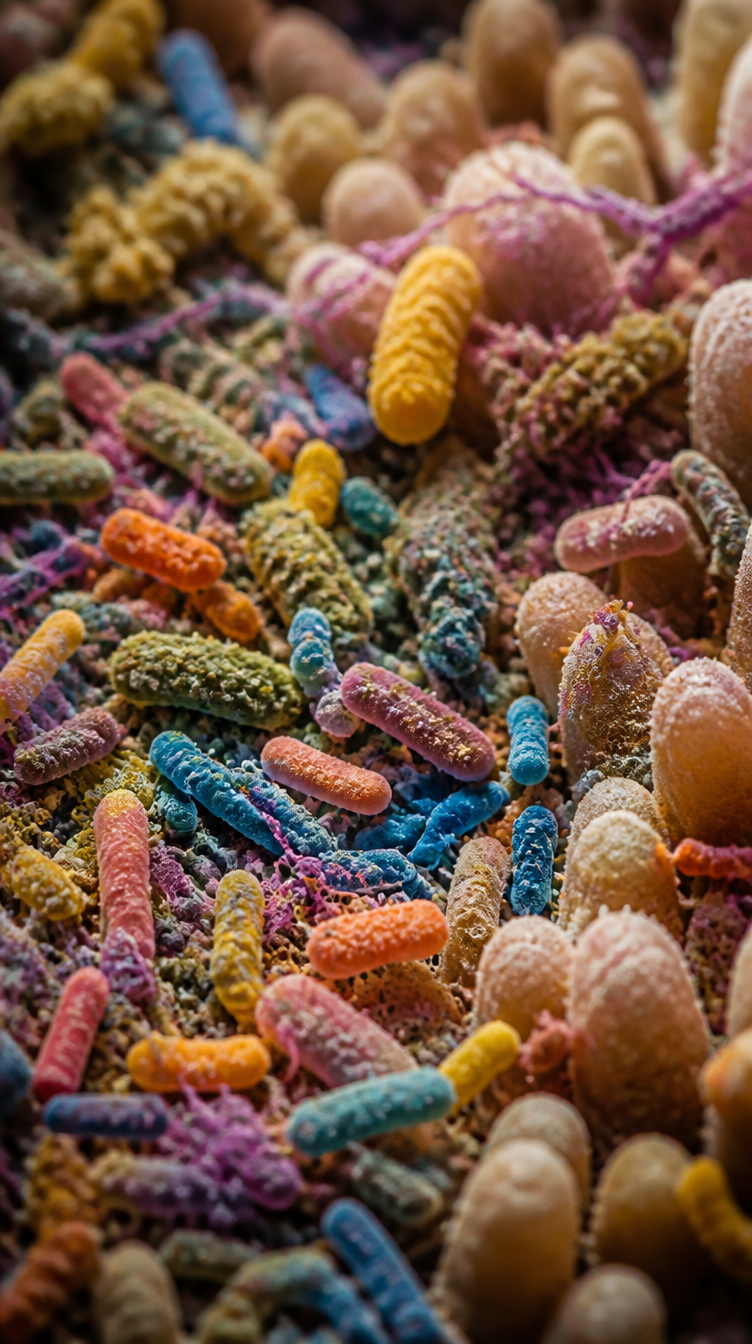
Then the seasonal data landed, and it was stranger still. The Sonnenburgs found that certain bacterial groups all but vanished from the Hadza gut in the dry season, then bloomed back when the wet season restored the fruit and honey. The microbiome wasn't a fixed fingerprint. It breathed in and out with the diet, month by month. To test it on himself, Leach lived among the Hadza and ate as they ate, tracking his own gut before and after. His diversity measurably rose, then drifted back toward baseline once he returned to airport food and city life.
What happens when the food changes
The sobering findings came from comparison. Hadza who settled into villages and shifted toward modern staples (maize flour, cooking oil, packaged goods) showed a measurable drop in microbial diversity, in some cases within a striking span of time. And research on industrialized populations suggests that once certain bacterial lineages fade out of a family line, they don't easily return. They are, in a real sense, spent.
Same people. Same land. Different food.
Two million years of real food
The scientists are careful, and the caution matters: the Hadza research is a snapshot, not a prescription. No single population holds the one "correct" microbiome, and no one is arguing we should all move to the bush. But the through-line is hard to miss. For roughly two million years, human bodies ran on whole foods pulled straight from the land: plants in season, honey when the luck held, and animals eaten nose-to-tail with the organs first. The gut you carry right now is the one that grew up on that menu. It expects to be fed.
The pattern reached your table too
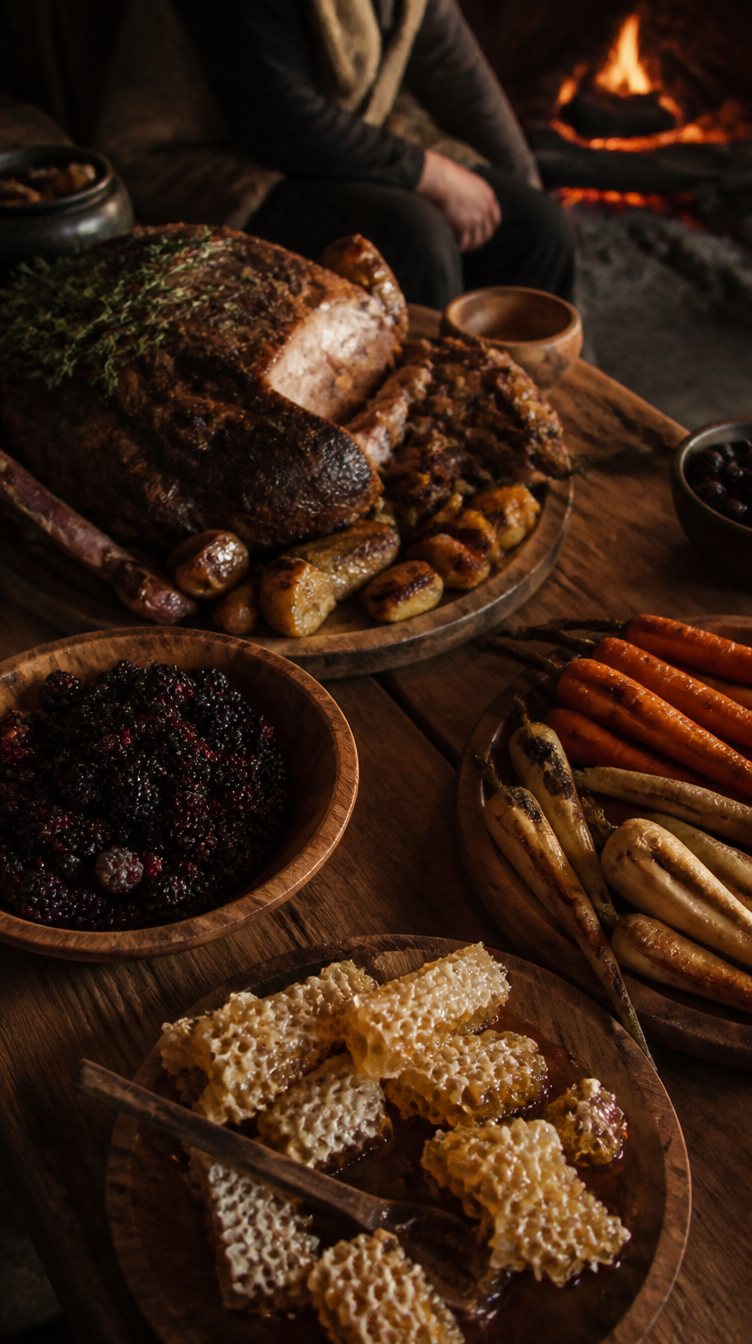
You don't have to fly to Tanzania to see the thinning the researchers documented. It happened in your own family, quietly, over a few generations. Somewhere along the line the seasonal chaos of real food gave way to the same shelf-stable ten items on repeat, and the organs (once the first thing eaten, the prized part) dropped off the plate entirely. The gut noticed. It usually does. But there is genuine hope in what the Hadza work also shows: this ecosystem responds to what you feed it, sometimes within a single season. The direction of the drift is not fixed. What you put on the fork still writes the next chapter.
Why we built Rise
Rise Nutrition exists because of stories like this one. The Organ Complex below is the part of that ancestral menu that's hardest to get back in a modern life: liver, heart, kidney, spleen, pancreas, and bone marrow from grass-fed cattle, freeze-dried into capsules. Not a shortcut, not a cure. Just the food itself, the part your great-grandparents wouldn't have thought twice about.
Real food. Nothing else.

Rise Nutrition
Grass-Fed Beef Organ Complex
Liver, heart, kidney, spleen, pancreas and bone marrow from grass-fed cattle, freeze-dried into capsules. The most prized foods of every healthy tradition, nothing else. Free shipping on the 2-pack, 30-day guarantee.
Shop Organ Complex → Shop the 2-Pack Bundle →Keep Reading
Sources & further reading
The studies and historical records behind this piece:
- Schnorr SL, Candela M, Rampelli S, et al. “Gut microbiome of the Hadza hunter-gatherers.” Nature Communications, 2014;5:3654.
