


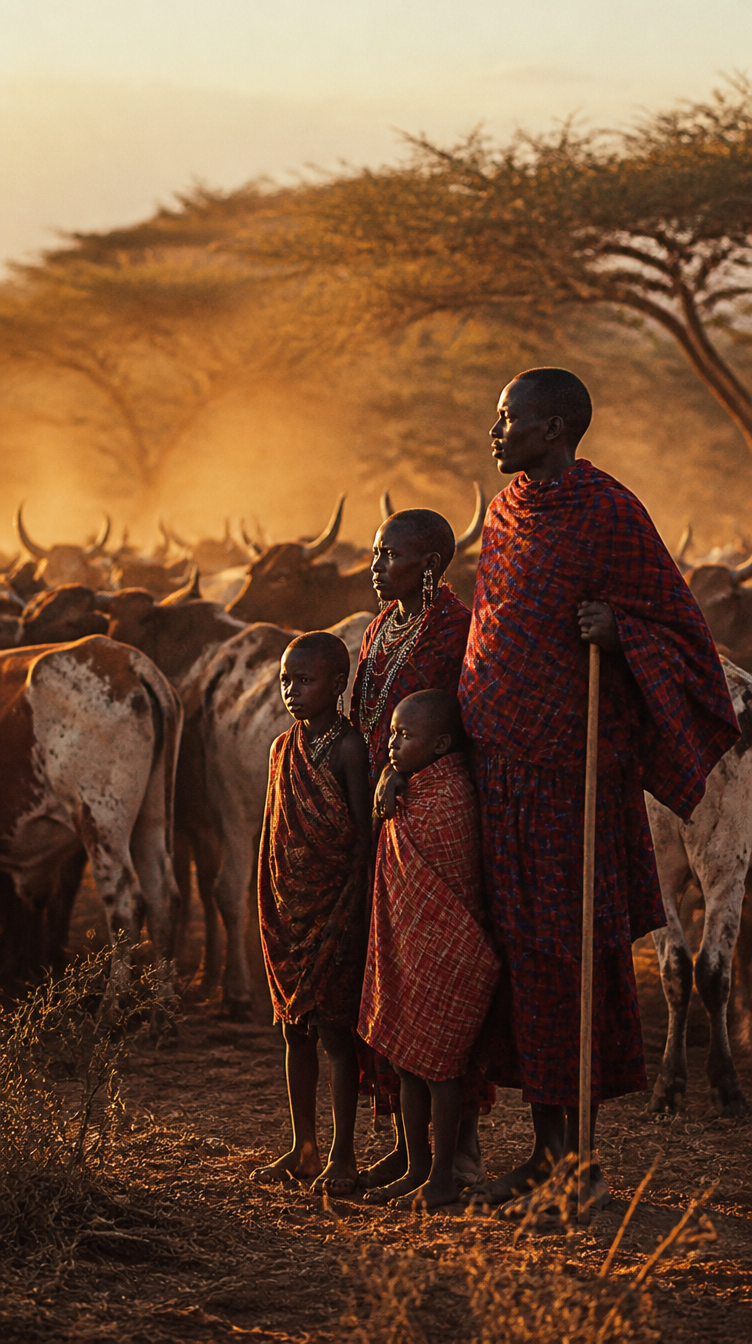
Before dawn on the Rift Valley floor, a young Maasai man walks out to the herd with a gourd in one hand and a short bow in the other. He nicks a vein in the neck of a bull, catches the dark blood, presses the wound closed, and mixes what he has drawn with fresh milk still warm from the udder. This is breakfast. By the medical logic of the mid-twentieth century, it was also a slow death sentence. It was nothing of the kind.
A gallon of milk and almost nothing else
The Maasai of Kenya and Tanzania built one of the simplest diets ever recorded around a single animal. Milk, meat, and blood from their cattle carried them through the year. A grown warrior could drink close to a gallon of milk in a day, most of it whole and much of it soured. There was little bread, no refined sugar, no seed oil, and for long stretches barely a vegetable to be found. It was a diet drenched in exactly the animal fat that Western clinics had begun to fear.
By everything mid-century medicine believed about fat and the heart, these men should have been the sickest people on the planet.
The doctor who came expecting wreckage
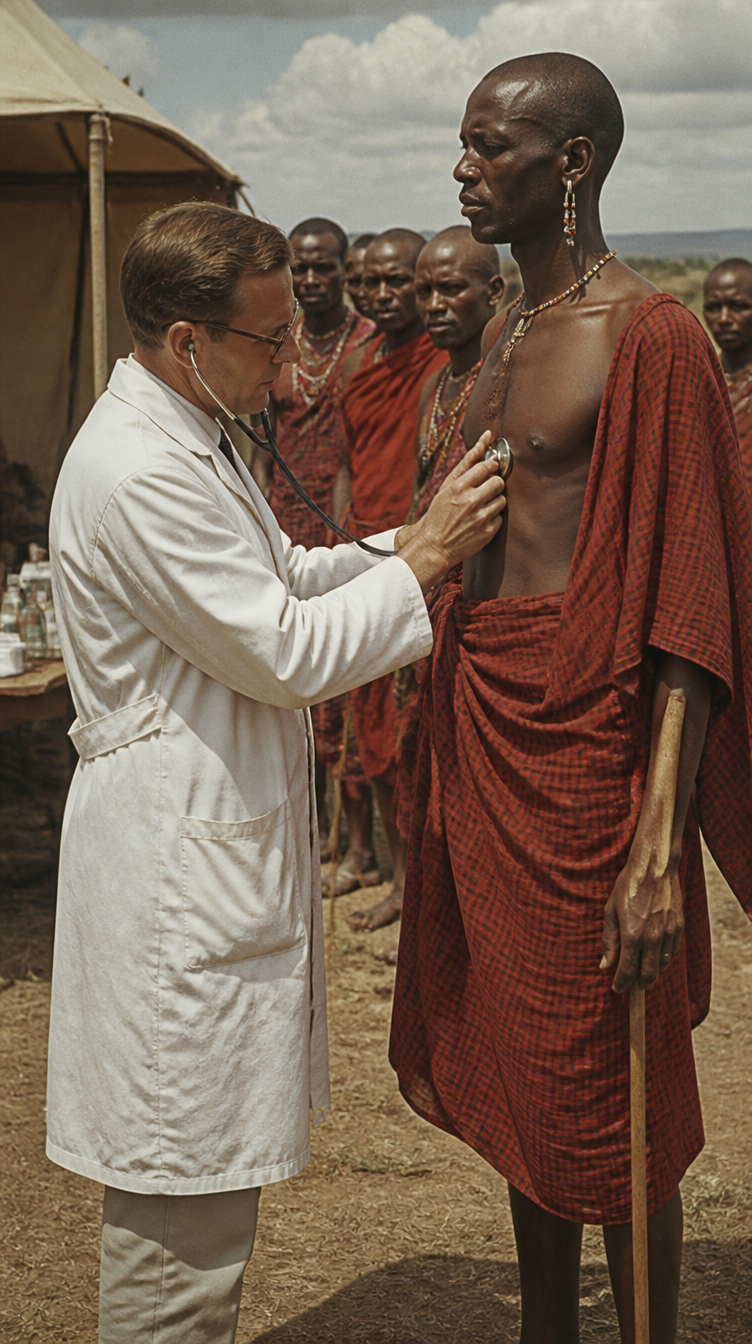
In the 1960s an American physician named George Mann loaded field equipment into a vehicle and drove into Maasai country to test that assumption head on. Mann was no fringe crank. He was a Vanderbilt professor who had worked on the Framingham Heart Study, the project that helped cement the idea that saturated fat and cholesterol drove heart disease. He arrived with electrocardiographs and the settled expectation of finding cardiovascular ruin.
He examined hundreds of Maasai men. The findings, published in respected journals, unsettled the establishment: blood pressure that stayed low as the men aged, serum cholesterol among the lowest recorded in any studied population, and hearts that showed strikingly little sign of disease. These were men who might cover close to twenty miles a day on foot behind their herds, lean and unhurried, eating a diet that read like a cardiologist's nightmare.
The debate that never quite ended
Mann's work is still argued over. Later researchers pointed to the men's relentless physical activity, to lean seasons when food ran short, and to the possibility of genetic adaptations that helped them handle a diet so rich in animal fat. That argument is healthy, and it is far from resolved. But strip away the interpretations and the raw observation stands untouched: here was a people living on milk, meat, and blood, largely spared the very diseases that their diet was supposed to guarantee.
Same people, same genes, different food
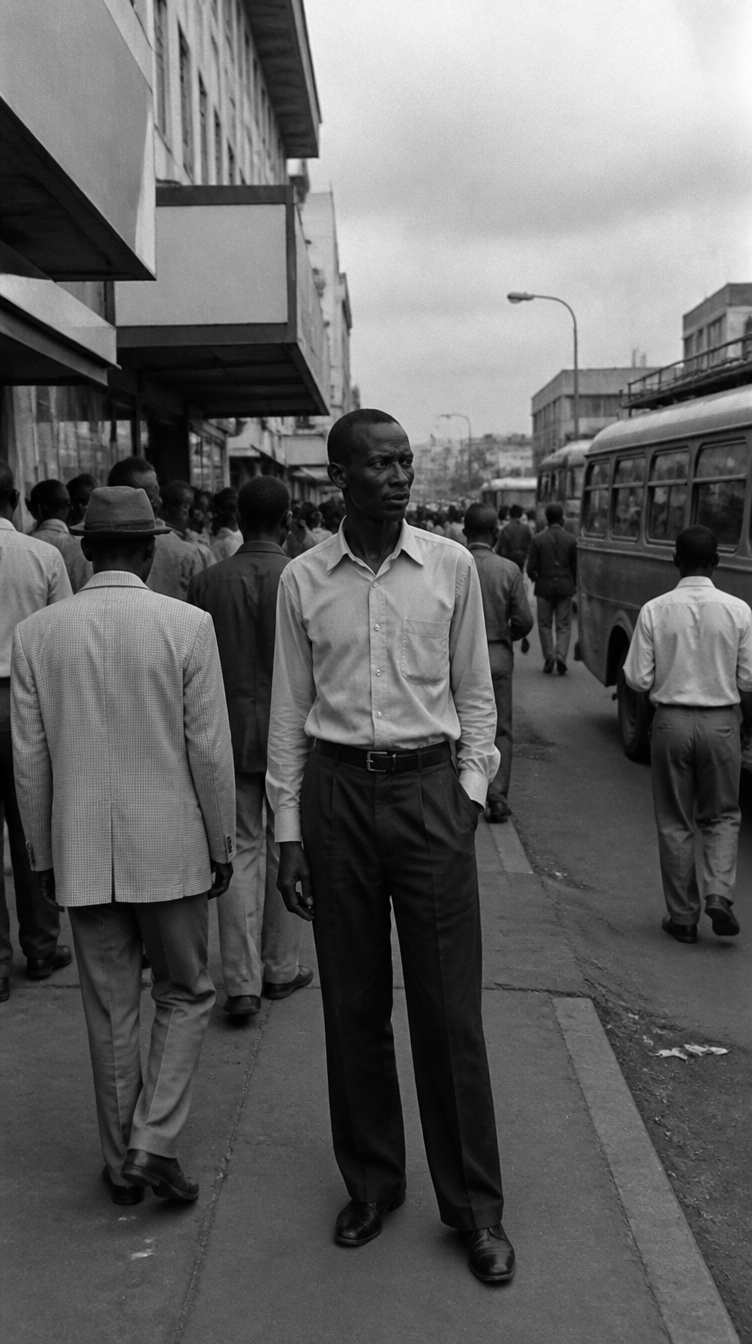
The most revealing chapter came when the setting changed rather than the bloodline. As Maasai men left the grasslands for town and traded the herd's milk, meat, and blood for shop food, refined flour, sugar, packaged staples, the familiar modern conditions began to surface among them. The observation was made within the same ethnic population. Their genes had not moved. Their plates had.
The whole pharmacy walked on four legs
To the Maasai, cattle were never merely dinner. They were wealth counted by the head, currency for marriages, the center of ceremony, and, in a plainly practical sense, the pharmacy. Milk taken straight from the animal. Meat eaten close to nose-to-tail, with the organs prized above the muscle. Blood drawn in the hungry months. One animal, used almost completely, quietly covering the ground that a whole shelf of modern supplements now tries to reach.
This is a historical record, not a prescription, and it does not cure anything. Yet the same pattern keeps surfacing wherever traditional cultures are studied. The foods held in highest regard were the animal foods eaten whole, and the organs most of all.
The food that left your own table
You do not have to romanticize a warrior on the savanna to see where this story reaches you. The shift that showed up in a Maasai man who moved to town is the same shift that moved through your own family over a few short generations. Somewhere back the line, someone ate liver on a weeknight, saved the bones for broth, wasted almost nothing of an animal. Then the flour got whiter, the sugar got cheaper, the organs quietly slid off the table, and the food that fed those low, steady hearts became the food nobody serves anymore.
The hopeful part is that none of this is exotic. It was ordinary once, and it can be ordinary again.
Why we built Rise
Rise Nutrition exists because of stories like this one. The Organ Complex below is the piece of that ancestral table that is hardest to get back into a modern week: liver, heart, kidney, spleen, pancreas, and bone marrow from grass-fed cattle, freeze-dried into capsules. Not a shortcut, not a cure. Just the food itself.
Real food. Nothing else.

Rise Nutrition
Grass-Fed Beef Organ Complex
Liver, heart, kidney, spleen, pancreas and bone marrow from grass-fed cattle, freeze-dried into capsules. The most prized foods of every healthy tradition, nothing else. Free shipping on the 2-pack, 30-day guarantee.
Shop Organ Complex → Shop the 2-Pack Bundle →
Related to this story
Bovine Colostrum Powder
The Maasai story runs on milk, and colostrum is milk in its first, most concentrated form. Ours is first-milking colostrum from grass-fed cows, low-temperature processed to keep it what it is. Nothing added.
Shop Colostrum →Keep Reading
Sources & further reading
The studies and historical records behind this piece:
- Mann GV, Spoerry A, Gray M, Jarashow D. “Atherosclerosis in the Masai.” American Journal of Epidemiology, 1972;95(1):26–37.
- Mann GV, Shaffer RD, Anderson RS, Sandstead HH. “Cardiovascular disease in the Masai.” Journal of Atherosclerosis Research, 1964.
